
Resources
Radon Information You Can Trust
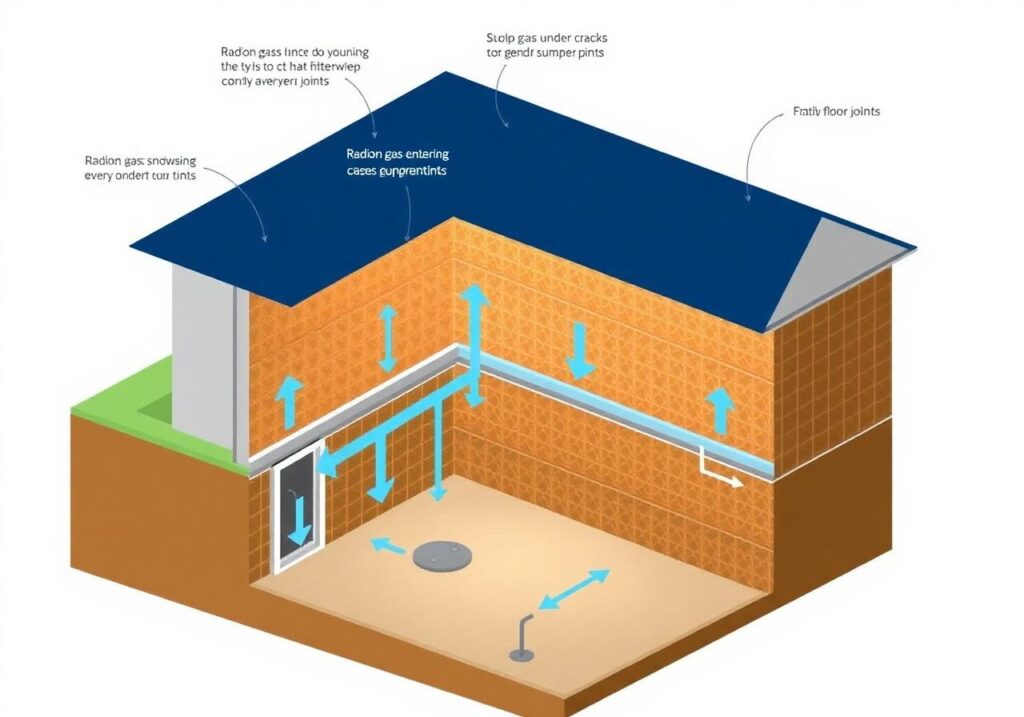
What is radon gas?
Radon is a naturally occurring radioactive gas that forms from the breakdown of uranium in soil and rock. It is invisible, odorless, and tasteless — and it can accumulate inside homes, schools, and buildings.
According to the EPA, radon is the leading cause of lung cancer among non-smokers.
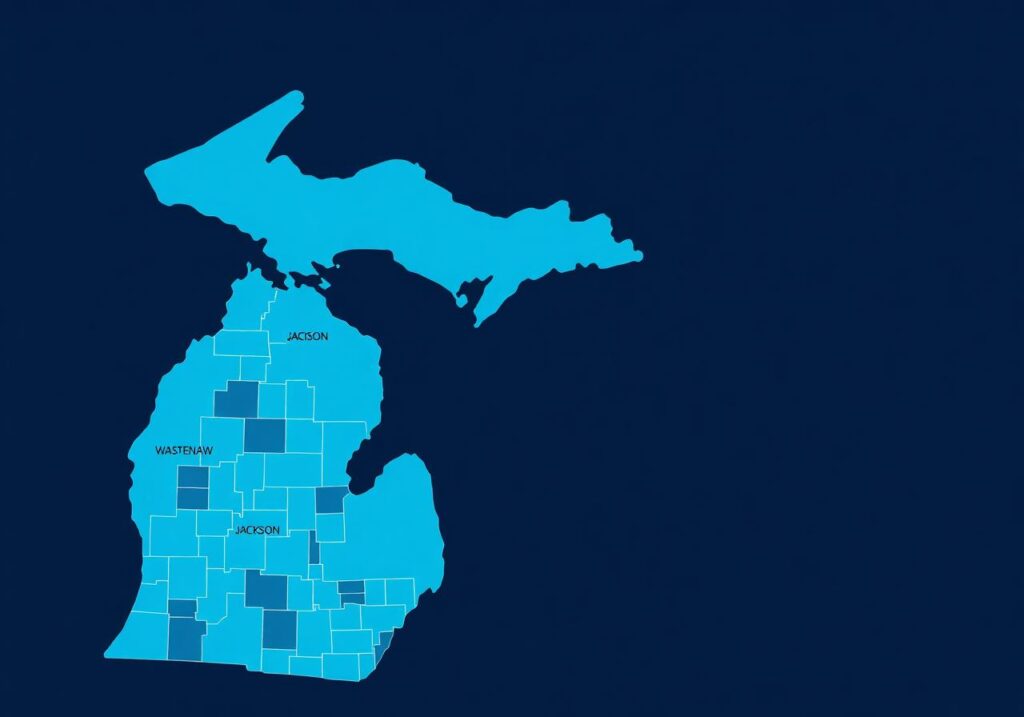
What is radon gas?
Michigan contains many areas with elevated radon potential, including Washtenaw, Wayne, Jackson, and Lenawee Counties.
Elevated local risk
Southeast Michigan counties show some of the highest radon concentrations in the state. Testing is strongly recommended.
How does radon get inside?
Radon gas moves upward through the soil and can enter buildings through six common pathways.
Foundation cracks
Sump pits
Crawl spaces
Floor joints
Utility penetrations
Gaps around pipes
“Even new homes can have elevated radon levels.”
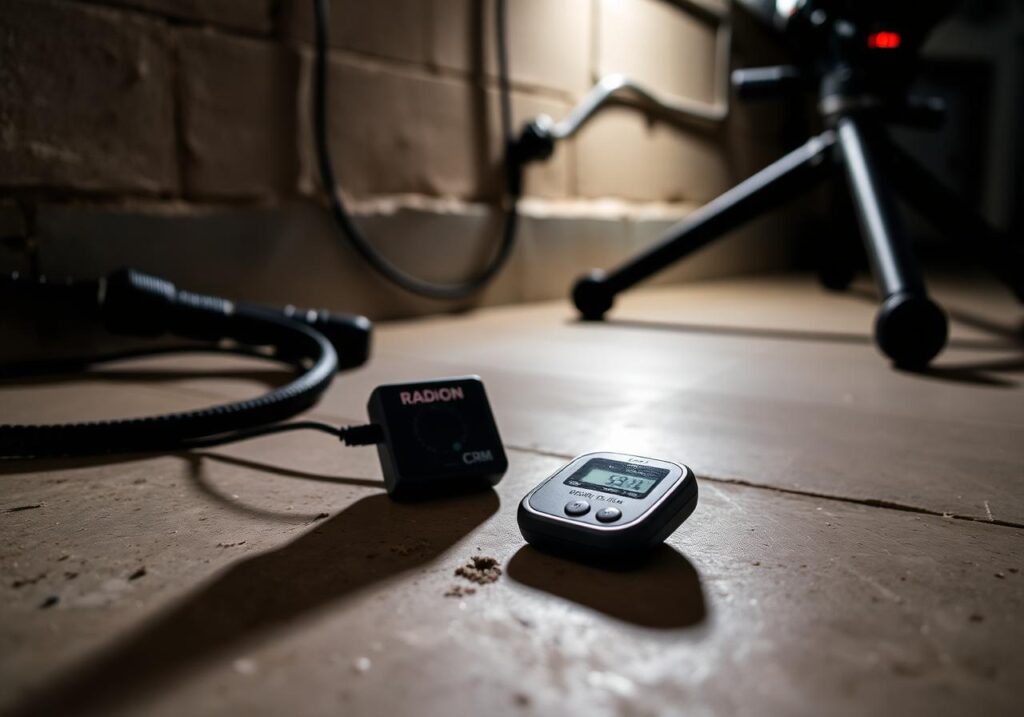
Professional 48-hour radon testing
RadonX uses professional Continuous Radon Monitors (CRMs) to provide accurate, hourly radon readings during a 48-hour testing period.
- Appointment scheduled
- CRM installed
- Closed building conditions maintained
- 48-hour monitoring period
- Detailed digital report delivered
Why radon matters
21,000
10×
4.0 pCi/L
The EPA recommends taking action when radon levels reach 4.0 pCi/L or higher.
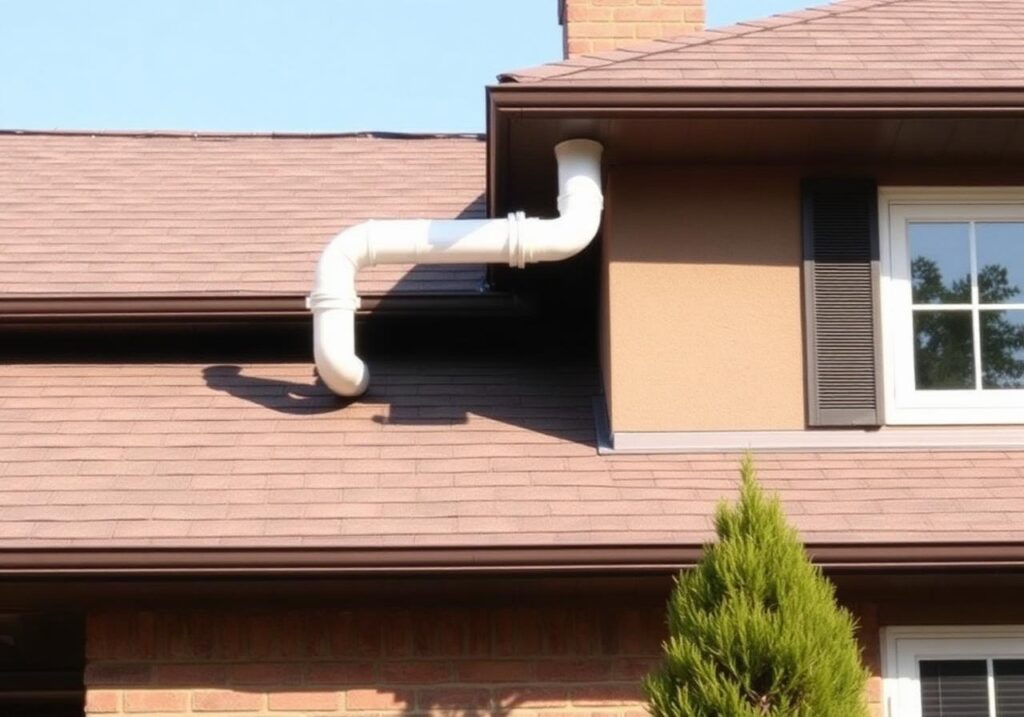
How radon mitigation works
Radon mitigation systems reduce radon concentrations by creating negative pressure beneath the home and safely venting radon gas above the roofline.
Radon mitigation systems reduce radon concentrations by creating negative pressure beneath the home and safely venting radon gas above the roofline.
Mitigation services launching July 2026

Resources for real estate professionals
Radon testing is one of the most common environmental concerns during residential real estate transactions. RadonX supports Realtors with:
- Fast scheduling
- Reliable communication
- Digital reports
- 48-hour turnaround
- Professional documentation
- Flexible appointments
Frequently asked questions
Any home can have elevated radon levels regardless of age, construction type, or location.
Yes. New construction homes can still experience elevated radon concentrations.
Yes. Weather, barometric pressure, HVAC usage, and seasonal changes can influence radon levels.
Most modern radon mitigation systems operate quietly.
Standard real estate radon testing is completed over a 48-hour period.